
FOOD AND
NUTRITION
Proper nutrition is essential for older adults to lead healthy, active, and fulfilling lives. Healthy food and nutrition help are older adults to maintain health, prevent chronic diseases, and improve overall quality of life. Here is an overview of their importance:

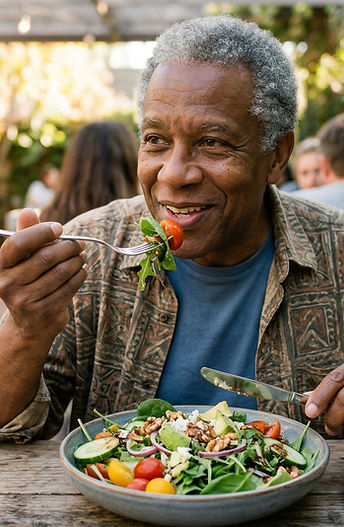
1. Maintaining Health and Functionality
-
Nutrient Requirements: As metabolism slows and the body’s ability to absorb nutrients changes, older adults need a nutrient-dense diet to meet their needs without excessive calorie intake.
-
Muscle Maintenance: Adequate protein intake is essential to prevent sarcopenia (muscle loss), which can lead to frailty and decreased mobility.

2. Preventing Chronic Diseases
-
Heart Health: A diet low in saturated fats, trans fats, and cholesterol, and high in fiber can reduce the risk of heart disease.
-
Bone Health: Sufficient calcium and vitamin D intake is critical to prevent osteoporosis and fractures.
-
Diabetes Management: Balanced meals with controlled portions of carbohydrates help in managing blood sugar levels.

3. Boosting Immune Function
-
Vitamins and Minerals: Nutrients like vitamins C and E, zinc, and selenium play a role in maintaining a strong immune system.
-
Hydration: Adequate fluid intake is necessary for overall health and helps in preventing dehydration, which can affect immunity and other bodily functions.

4. Improving Mental Health and Cognitive Function
-
Omega-3 Fatty Acids: Found in fish and flaxseed, they are linked to reduced risk of cognitive decline and improved brain health.
Antioxidants: Foods rich in antioxidants, like berries and leafy greens, can protect against oxidative stress and support brain health.
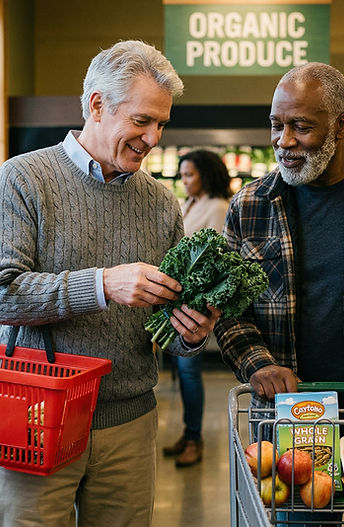
5. Enhancing Quality of Life
-
Energy Levels: Proper nutrition provides the energy needed for daily activities and maintaining independence.
-
Social Interaction: Sharing meals can provide opportunities for social engagement, reducing feelings of loneliness and isolation.

6. Managing Weight and Appetite
-
Balanced Diet: Helps in maintaining a healthy weight, preventing both obesity and undernutrition.
-
Appetite Changes: Addressing changes in taste, smell, and appetite to ensure adequate food intake.
Key Nutritional Guidelines for Older Adults
-
Variety: A diverse diet that includes fruits, vegetables, whole grains, lean proteins, and healthy fats.
-
Portion Control: Monitoring portion sizes to avoid overeating.
-
Regular Meals: Consistent meal times to help with digestion and nutrient absorption.
-
Low Sodium: Reducing salt intake to manage blood pressure and reduce the risk of cardiovascular diseases.
-
Fiber: High-fiber foods to aid digestion and prevent constipation.
Support and Resources
-
Community Programs: Access to meal programs, food banks, and nutrition education.
-
Healthcare Guidance: Regular check-ups with healthcare providers to tailor nutrition plans to individual health needs.

Farmers' Market Nutrition Program (FMNP)
The Department for the Aging’s Farmers' Market Nutrition Program (FMNP) provides eligible older New Yorkers with $25 coupon booklets for use at participating farmers’ markets, farm stands, and mobile markets. The program promotes better nutrition through increased consumption of locally grown fruits and vegetables and boosts sales for local vendors.
Eligibility Requirements
To receive $25 coupon booklets, New Yorkers must:
-
Be 60 years of age or older
-
Have a monthly income not exceeding:
$2,322 for a one-person household
$3,152 for a two-person household
$3,981 for a three-person household
You can sign up for this program at a local older adult center or congregate meal site. This year there are 350 distribution sites in NYC. Click the link below to find the closest distribution sites in Brooklyn.